
Is Personal Training Worth It? What Do You Actually Get for Your Money?
Personal training can be worth the money when it solves a problem you have struggled to solve on your own. That might mean giving you a clear programme, improving your technique, keeping you accountable or helping you make progress when your training has stalled.
But paying for personal training does not automatically guarantee better results.
The real question is whether the coaching gives you something useful beyond access to a gym. Understanding what you should actually receive for your money makes it much easier to decide whether personal training is right for you.
The Short Answer: Personal Training Is Worth It When the Coaching Adds Real Value
Personal training is most likely to be worthwhile when a lack of structure, knowledge, feedback or consistency is limiting your progress.
You may benefit from coaching if you:
Keep starting and stopping your training
Go to the gym regularly but are unsure whether your programme is effective
Have stopped getting stronger or fitter despite putting in the effort
Want to learn exercises with greater confidence
Need accountability to stay consistent
Have a specific strength, fitness or body-composition goal
Struggle to make your training fit around work, travel or family commitments
On the other hand, if you already know how to programme your training, make sensible adjustments and remain consistent without external support, ongoing personal training may offer less additional value.
That is why price alone does not tell you whether personal training is worth it.
What Are You Actually Paying a Personal Trainer For?
It is easy to think you are paying someone simply to supervise a workout.
Good personal training should go much further than that.
The real value is often in the decisions made before, during and between sessions: what you should train, how much you need, whether you are progressing and what needs to change when your circumstances change.
A Programme Built Around a Clear Goal
A structured programme gives your training direction.
Rather than arriving at the gym and choosing exercises based on what equipment is available, your sessions should contribute towards a wider objective.
That means considering things such as:
Exercise selection
Training frequency
Sets, repetitions and loading
Progression over time
Recovery between sessions
Your experience and current ability
The amount of time you can realistically dedicate to training
A good programme should also evolve. The exercises and training volume that suit you today may not be what you need six months from now.
Coaching and Technique Feedback
Knowing what an exercise should look and feel like is very different from trying to assess your own movement while performing it.
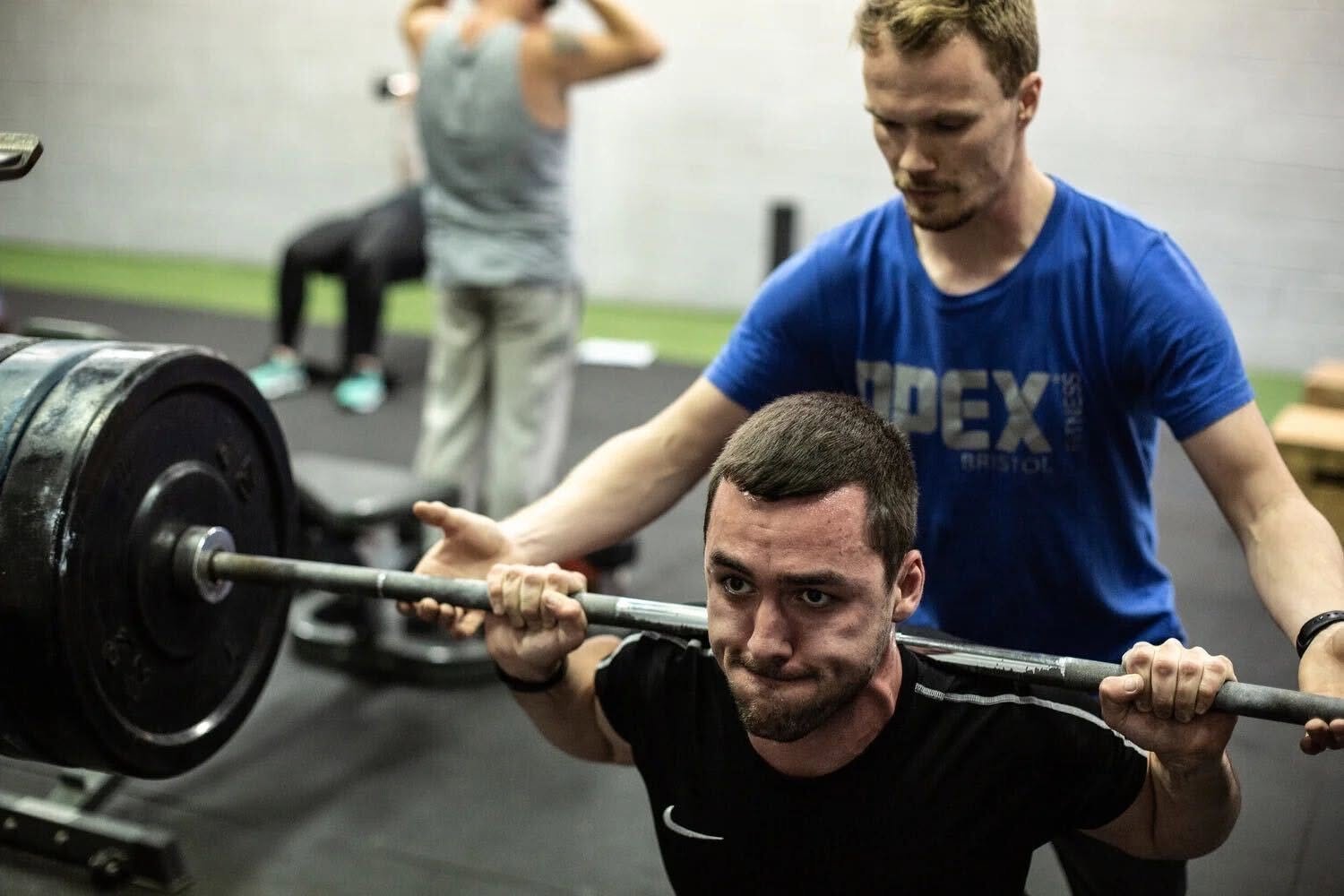
A coach can observe technique, provide feedback and make appropriate adjustments.
That can be particularly valuable when you are learning resistance exercises, returning after time away from training or progressing towards heavier and more challenging movements.
Coaching should not make you dependent on a trainer forever. Ideally, you should become more knowledgeable and confident about your own training over time.
Accountability That Goes Beyond Motivation
Most people already know that exercising consistently is important.
The difficult part is doing it when work becomes busy, sleep has been poor, enthusiasm drops or progress feels slower than expected.
Accountability can help, but useful coaching should do more than simply tell you to turn up.
Sometimes a missed session means your plan needs adjusting. Sometimes your expectations need changing. Sometimes the right decision is to reduce training rather than add more.
That judgement is part of what good coaching provides.
Progress Reviews and Programme Adjustments
Training should not remain unchanged indefinitely.
As you become stronger, fitter or more experienced, your programme should reflect that progress. Your needs can also change because of work, travel, recovery, new goals or simply discovering that you enjoy a different style of training.
Regular review gives your coach an opportunity to ask:
Is the programme producing the intended result?
Are you recovering well enough?
Has your goal changed?
Are particular exercises still appropriate?
Does the programme still fit your weekly routine?
You are not simply paying for somebody to watch you exercise. You are paying for informed decisions about what should happen next.
Not All Personal Training Works the Same Way
This is one reason comparing personal training purely by hourly price can be misleading.
Traditional one-to-one personal training usually involves a trainer working exclusively with you during a booked session.
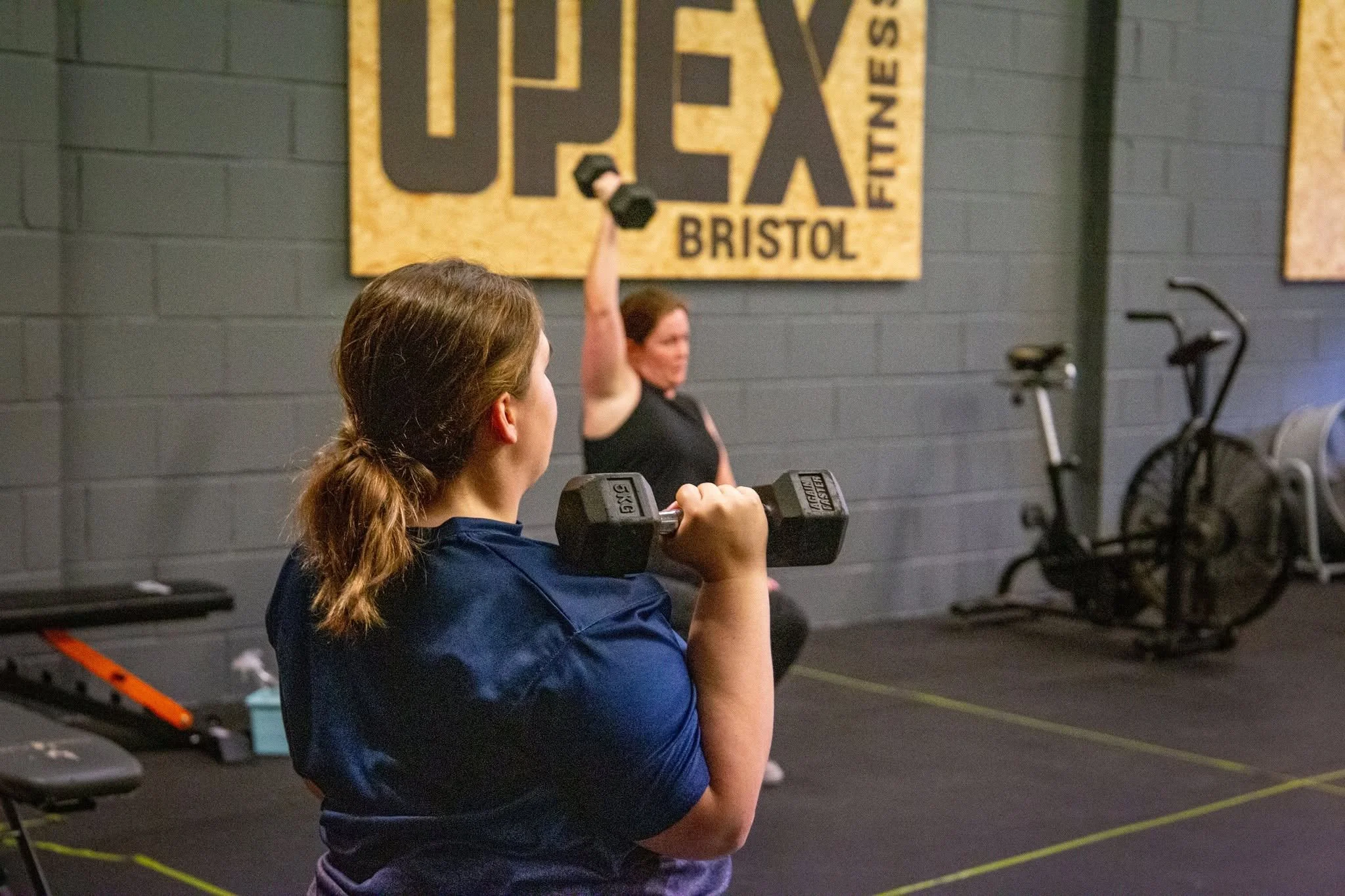
Small-group and semi-private models operate differently. Several people may train at the same time while still receiving individual programming and coaching.
At OPEX Bristol, for example, clients have their own programme and dedicated coach while training in a semi-private environment at our private Ashton Gate gym. People sharing the training space are not expected to complete the same workout.
This model is designed to combine individualised programming with access to coaching and the atmosphere of training around other people.
If you want to understand the distinction in more detail, our guide to how small-group personal training works explains what separates individual coaching in a shared environment from a conventional group exercise class.
When Does Personal Training Offer the Most Value?
Personal training tends to offer the clearest value when it removes a genuine barrier to progress.
Consider two people who both have gym memberships.
One trains three times each week, follows a structured programme, records performance and knows when and how to progress their exercises.
The other trains inconsistently, frequently changes routines, is unsure how hard to work and has spent months wondering why results have stalled.
Both have access to the same type of equipment, but they do not necessarily need the same level of support.
The second person potentially has much more to gain from coaching because their main problem is not gym access. It is knowing what to do with that access consistently.
Experienced trainees can benefit for similar reasons. If you have been training for years but your progress has plateaued, an outside perspective may reveal problems with training volume, exercise selection, progression or recovery that are difficult to identify yourself.
Our strength training programmes are one example of how structured progression can be built around somebody's individual starting point rather than relying on a standard workout.
When Might Personal Training Not Be Worth It?
Personal training is not something everyone needs.
A conventional gym membership may be perfectly suitable if you:
Already know how to programme your training effectively
Understand how and when to progress exercises
Train consistently without external accountability
Are making steady progress towards your goals
Primarily need access to equipment rather than coaching
Would find the additional cost difficult to justify financially
You should also question the value if a trainer cannot clearly explain what their service includes.
If you are considering coaching, ask how your programme will be created, how progress will be assessed and what happens when the original plan stops working.
If every client receives essentially the same workout regardless of goals, experience or lifestyle, you may not be receiving much individualisation for your money.
How Should You Compare Personal Training Prices?
Start by comparing the service, not just the number beside the pound sign.
Two personal training options at different prices may include very different levels of support.
Questions worth asking include:
Will I receive an individual programme?
How often will that programme be reviewed?
Will somebody assess my starting point?
What coaching will I receive during training?
Can I ask questions between sessions?
How will my progress be measured?
What happens if work, travel or other commitments affect my training?
What qualifications and experience does the coach have?
It is also worth considering how much support you actually need.
Someone who only wants occasional technique feedback may not need the same service as someone looking for ongoing programming, regular reviews and accountability.
For more detail on how different services can be structured and priced, read our guide to personal training costs.
What Should Good Personal Training Help You Become Better At?
One useful test is whether you are becoming more capable rather than simply more reliant on your trainer.
Over time, good coaching should help you understand more about your own training.
You might become better at recognising appropriate effort, understanding why exercises are in your programme, maintaining technique and knowing how consistent training fits into a wider goal.
Results matter, but so does developing the skills and habits that allow those results to continue.
At OPEX Bristol, this is why individual programming is supported by regular coaching and reviews rather than treating each gym visit as an isolated workout.
The objective is to create a training process that can continue to develop as the person develops.
So, Is Personal Training Really Worth the Money?
Personal training is worth the investment when the coaching solves a problem you cannot reliably solve by yourself.
For one person that might be learning how to train safely and confidently. For another, it could be accountability, a structured strength programme or expert input after months of stalled progress.
Rather than asking whether personal training is universally worth the cost, consider what you need help with and whether the service you are considering genuinely provides it.
If you are unsure what level of coaching would make sense for you, a conversation is a useful place to start. You can book a free consultation with OPEX Bristol to discuss your goals, current training and whether our approach would be a good fit.