
If you’re trying to lose fat, one of the first questions that comes up is how quickly you can expect results.
You might have seen claims online about losing a stone in a month or dropping body fat rapidly in just a few weeks. The reality is far less dramatic, but far more effective long term.
Understanding what’s realistic can help you avoid frustration, stay consistent, and actually get the results you’re aiming for.
The Short Answer Most People Need To Hear
For most people, a realistic and sustainable rate of fat loss is around 0.5% to 1% of your body weight per week.
In practical terms, that usually looks like:
Around 0.3 to 1kg per week for most adults
Slower progress for leaner individuals
Slightly faster progress for those with more body fat
Anything significantly faster than this often comes with trade-offs, including muscle loss, fatigue, and difficulty maintaining results.
Why Fat Loss Is Not The Same As Weight Loss
One of the biggest sources of confusion is the difference between fat loss and weight loss.
Weight loss includes:
Body fat
Muscle
Water
Glycogen (stored carbohydrates)
This is why you might see the scale drop quickly in the first week, but that doesn’t mean you’ve lost a large amount of body fat.
Fat loss is a slower, more consistent process. It requires:
A controlled calorie deficit
Enough protein intake
Resistance training to maintain muscle
Without these, much of the weight you lose may not be fat at all.

What Actually Determines How Fast You Lose Fat
There is no single number that applies to everyone. Fat loss depends on several key factors.
Your Starting Point
People with higher levels of body fat can often lose fat more quickly in the early stages.
Those who are already lean will typically see slower progress.
Your Calorie Deficit
Fat loss ultimately comes down to consistently using more energy than you consume.
A larger deficit can increase the rate of loss, but it also increases the risk of:
Muscle loss
Low energy levels
Poor recovery
Reduced training performance
Your Training Approach
Strength training plays a key role in fat loss.
It helps you:
Maintain muscle mass
Improve body composition
Support long-term results
This is why structured programmes, like those used in Strength Training, are often more effective than relying on cardio alone.
Your Recovery And Lifestyle
Sleep, stress and daily habits have a major impact on fat loss.
Poor sleep and high stress can:
Affect appetite regulation
Reduce recovery
Make consistency harder
These factors are often overlooked, but they can make a significant difference over time.
Why Trying To Lose Fat Too Quickly Often Backfires
It’s understandable to want fast results. However, pushing for rapid fat loss usually creates more problems than it solves.
Common issues include:
Losing muscle alongside fat
Feeling constantly tired or hungry
Struggling to stick to the plan
Rebounding once the diet ends
Many people end up in a cycle of losing weight quickly, then regaining it just as fast.
A slower, more controlled approach is not only more sustainable, but often leads to better long-term outcomes.
What Sustainable Fat Loss Actually Looks Like
Sustainable fat loss is not about extremes. It’s about consistency over time.
In practice, that often means:
Losing small amounts of fat each week
Maintaining strength in the gym
Keeping energy levels stable
Building habits you can continue long term
Over 12 to 16 weeks, even a modest weekly loss can lead to significant changes in body composition.
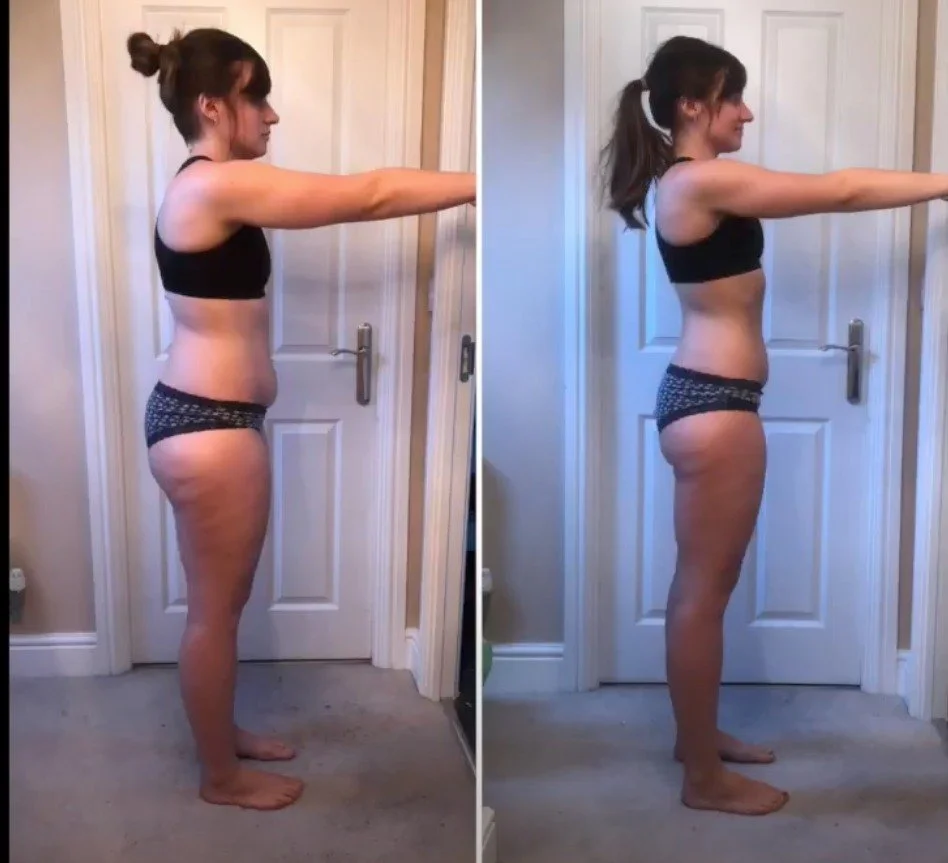
For example, Harriet’s story is a great illustration of this approach. Rather than chasing rapid results, she focused on consistent training, improving her nutrition, and building habits she could maintain. Over time, this led to steady fat loss, improved strength, and results that actually lasted - without the burnout or rebound that often comes with crash dieting.
A Simple Example
To make this more concrete:
If someone weighing 80kg loses around 0.5% of their body weight per week, that’s roughly 0.4kg.
Over 12 weeks, that becomes nearly 5kg of fat loss.
That may not sound dramatic week to week, but the long-term result is meaningful and far more sustainable than crash dieting.
How To Know If Your Fat Loss Is On Track
Rather than focusing only on the scales, it’s more useful to look at a combination of indicators:
Body measurements (such as waist circumference)
Progress photos
Strength levels in training
Energy and recovery
Consistency with habits
If you’re getting stronger, feeling better, and gradually leaning out, you’re likely on the right track.
When Progress Feels Too Slow
One of the most common frustrations is feeling like progress is not happening fast enough.
In many cases, the issue is not the rate of fat loss, but expectations.
It’s easy to underestimate:
How long meaningful change takes
How much consistency matters
The difference between short-term and long-term results
This is where having a structured plan can make a difference. For example, a Weight Loss Programme can help align training, nutrition and lifestyle factors into a more consistent approach.
Frequently Asked Questions
-
It’s possible to lose 2kg on the scale in a week, but most of that is unlikely to be body fat. Rapid weight changes are often driven by water and glycogen loss.
-
Not usually. Faster fat loss increases the risk of muscle loss and makes results harder to maintain.
-
Most people start to notice changes within 3 to 6 weeks, especially when tracking measurements and photos rather than just body weight.
-
Very low calorie intake can speed up short-term weight loss, but it often leads to poor adherence, low energy and reduced muscle mass.
-
Not necessarily, but structured guidance can help you avoid common mistakes and stay consistent. Many people benefit from a clear plan and regular adjustments, such as those provided through Personal Training.
The Goal Is Not Fast Fat Loss, It’s Sustainable Progress
The most effective fat loss approach is not the fastest one. It’s the one you can stick to.
A realistic rate of fat loss allows you to:
Maintain muscle
Keep your energy levels stable
Build habits that last
Avoid constantly starting over
If you’re unsure what a realistic approach looks like for you, starting with a Fitness Consultation can help you understand what to expect and how to structure your training and nutrition.